About Wood Elf Names
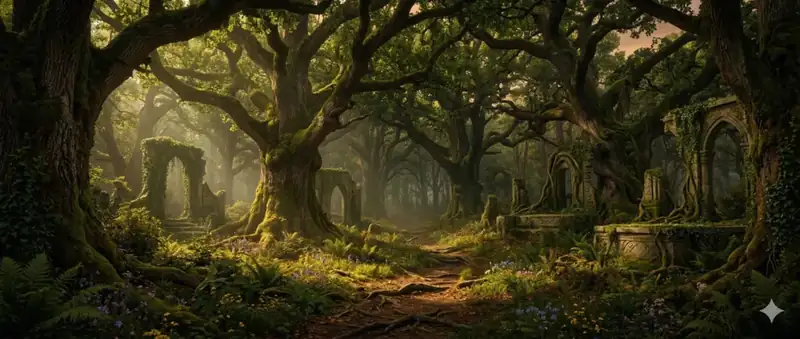
Wood elves are the forest-dwelling guardians of the natural world, living among ancient trees in communities that blend seamlessly with their woodland surroundings. Their naming traditions reflect an unbreakable bond with nature, drawing from the sounds of rustling leaves, flowing water, and birdsong. Understanding wood elf naming conventions is essential for creating an authentic character rooted in the druidic traditions of the wilderness.
1Wood Elf Naming Traditions
Wood elf names are deeply connected to the natural world. Unlike their high elf cousins who favor regal, celestial-sounding names, wood elves draw inspiration from the forest itself. Common naming elements include references to trees (oak, willow, birch, rowan), animals (hawk, deer, fox, owl), seasons (autumn, dawn, dusk), and natural phenomena (rain, moss, thorn, brook). The phonology favors soft consonants and flowing vowels, creating names that sound like they could be whispered by the wind through ancient boughs. Names such as Thaelen, Sylvara, Oakenleaf, and Fernwhisper capture the essence of wood elf identity: humble, connected, and deeply rooted in the green world.
2Wood Elves in D&D and Fantasy Settings
In Dungeons & Dragons, wood elves (also called copper elves or wild elves) inhabit the deep forests of Faerun, the Moonshae Isles, and the great woodlands of many homebrew settings. They are known for their exceptional stealth, archery, and attunement to nature. Their society is less hierarchical than high elf civilization, organized around loosely connected clans led by druids and rangers. In the Forgotten Realms, wood elf settlements like those in the High Forest and the Chondalwood are hidden from outsiders, protected by magical wards and natural camouflage. Bosmer in the Elder Scrolls share many characteristics with D&D wood elves, though Bosmer naming conventions follow distinctly different phonological rules, often being shorter and more guttural.
3Creating Meaningful Wood Elf Names
When creating a wood elf name, consider your character's relationship with the forest. A wood elf ranger who patrols the forest borders might bear a name meaning "watchful shadow" or "silent arrow." A druid who tends to an ancient grove could carry a name meaning "root speaker" or "moss keeper." The most evocative wood elf names combine two natural elements in unexpected ways: "Thornlight," "Riverash," "Dewfang," or "Stormleaf." These compound names tell a story about the character before a single word of backstory is spoken. Consider also that wood elves often earn names through deeds, replacing or augmenting their birth names with titles reflecting their accomplishments or defining moments.
Explore further: Browse our curated wood elf name collection for ready-to-use names with meanings and pronunciations, or read our comprehensive naming guide for deeper insights into elven naming conventions.